
T: +86-16678679070
W: +8617861003581
W: +8617861003581
A: No. 6 Changcheng South Road, Chengyang District, Qingdao, Shandong, China 266108
Views: 0 Author: Site Editor Publish Time: 2026-08-26 Origin: Site


Manual poultry farming creates severe operational bottlenecks. As flock sizes scale, heavy reliance on manual labor directly erodes profit margins. Workers struggle with inconsistent egg collection, and feed waste multiplies across thousands of birds. Facility managers face a constant, daily challenge. They must balance high-density egg production with strict requirements for feed efficiency, flock health, and limited facility footprints.
Solving this requires a strategic operational shift. Transitioning to an automatic poultry layer cage moves operations from labor-intensive management to capital-efficient, data-driven production. This hardware upgrade changes how a farm functions at its core. You will evaluate different system types and the full spectrum of automation. Understanding these mechanics allows you to select the right setup, maximize egg yield, and minimize daily operational friction.
Automation Drives Margin: Implementing automated feeding and egg collection directly impacts the bottom line by reducing feed waste (up to 15%) and minimizing egg breakage.
System Selection is Facility-Dependent: The choice between an A type layer cage and an H type layer cage is dictated by existing building dimensions, climate control capabilities, and target bird density.
Scalability of Automation: Buyers do not have to automate everything at once; understanding the upgrade path from non-automated to semi-automated, and eventually to fully automated systems, allows for phased capital deployment.
Risk Mitigation is Mandatory: Successful deployment requires redundant power systems and comprehensive staff training to prevent catastrophic losses during equipment failure.
A successful poultry operation relies on strict baseline metrics. You must track the Feed Conversion Ratio (FCR), daily mortality rates, and the labor cost required to produce a single egg. Manual operations fail to optimize these numbers. Workers spill feed in the aisles while filling troughs by hand. Birds flick grain out of shallow, unmanaged feeding areas. Manual egg collection leads to hairline cracks, dropped eggs, and inconsistent gathering times. These inefficiencies compound daily. Upgrading to a modern layer cage system directly targets these specific failure points.
You must analyze the financial tipping point of your farm. Calculate the exact cost of manual labor for feeding, watering, and manure scraping over a single year. Compare this against the capital expenditure of automation. Manual labor costs rise continuously due to wage increases and turnover. Equipment costs remain fixed after the initial purchase. Once your flock exceeds a certain threshold, the cost of human error outweighs the price of automated machinery. Automation secures predictable daily yields and stabilizes your operational baseline.
Farms operate on an automation spectrum. Non-automated systems require human intervention for every single task. Semi-automated setups handle the heavy lifting. They often feature automated watering lines and mechanical feeding chains, but retain manual egg collection and basic manure scraping. Fully automated systems remove human hands entirely. Conveyor belts move eggs directly from the cage floor to the packing room. Heavy-duty belts transport manure out of the shed daily. Each step up this spectrum requires more capital but drastically lowers the daily labor hours needed per thousand birds.
Disease control heavily favors automated environments. Automated waste removal prevents manure buildup under the cages. This immediately reduces ammonia levels in the air, protecting the respiratory tracts of your hens. Enclosed nipple watering systems prevent water contamination from dust, feathers, and droppings. Limiting human-to-bird contact strengthens your biosecurity protocols. Workers carry pathogens on their boots, hands, and clothing. Keeping staff out of the cage aisles lowers mortality rates and keeps the flock producing at peak capacity.
Operational Metric | Manual Farm Operations | Fully Automated Operations |
|---|---|---|
Feed Waste Percentage | 5% to 15% | Under 2% |
Egg Breakage Rate | 3% to 5% | Under 1% |
Labor Requirement | 1 worker per 3,000 birds | 1 worker per 30,000 birds |
Manure Removal Frequency | Weekly or Bi-weekly | Daily |
Ammonia Levels | High (Risk of respiratory issues) | Low (Continuous ventilation and removal) |
The A type layer cage utilizes a stepped, pyramidal structure. The cages stack in a staggered formation, resembling the letter A. This specific design prevents upper-tier manure from dropping into the lower tiers. The open geometry allows air to flow freely between the cages. Natural ventilation works highly effectively here. You do not need aggressive tunnel ventilation to keep the birds comfortable, provided the outside climate remains moderate.
This system requires a lower initial capital investment. The structural frame is simpler and uses less heavy-gauge steel. The manure management often relies on gravity and basic scraper systems rather than complex, motorized conveyor belts. These cages fit perfectly into open or semi-open poultry houses. Farms in moderate climates benefit greatly from this setup. You leverage natural airflow to manage temperature and humidity, reducing your daily electrical draw.
However, you face strict limitations regarding maximum stocking density. The staggered design consumes significant floor space. You cannot stack these cages as high as vertical systems. Most A-frame setups max out at three or four tiers. If land is expensive or your facility footprint is strictly limited, this structural reality caps your maximum flock size per building. You trade high density for lower infrastructure demands.
The H type layer cage features a stacked, vertical structure. The cages sit directly on top of one another, separated by manure collection belts. This design maximizes floor space utilization. You can stack these systems up to eight tiers high, and sometimes more in specialized facilities. This allows you to house tens of thousands of birds in a relatively small building footprint.
This high density creates strict environmental prerequisites. You must install these cages in closed, environmentally controlled houses. Natural ventilation cannot penetrate the dense wall of birds, metal, and manure belts. You must deploy advanced tunnel ventilation fans and evaporative cooling pads. The system relies entirely on mechanical climate control to prevent heat stress, manage air quality, and extract moisture from the building.
Deploying this vertical system requires a higher initial investment. The heavy tier loads demand robust structural steel support. The mandatory climate control systems add significant upfront costs. The integrated manure belts require precise tensioning, heavy-duty drive motors, and reinforced rollers. You are building a high-tech production facility, not just a standard chicken shed. The engineering tolerances are tight, and installation requires professional alignment.
Your decision rests on a clear framework. Compare the lower infrastructure barrier of A-type systems against the high-yield requirements of H-type systems. If you have abundant land, moderate weather, and limited capital, the A-frame provides a fast path to automation. If you operate in a region with extreme weather, expensive land, and high target yields, the H-frame is mandatory. You trade higher upfront infrastructure demands for maximum production density and complete environmental control.
System Feature | A-Type Configuration | H-Type Configuration |
|---|---|---|
Frame Structure | Pyramidal / Staggered | Vertical / Stacked |
Ventilation Requirement | Natural or Semi-closed | Strictly Closed / Tunnel Ventilation |
Maximum Density | Moderate (Usually 3-4 tiers) | High (Up to 8+ tiers) |
Manure Management | Scraper blade or deep pit | Polypropylene conveyor belts per tier |
Infrastructure Barrier | Low to Moderate | High |
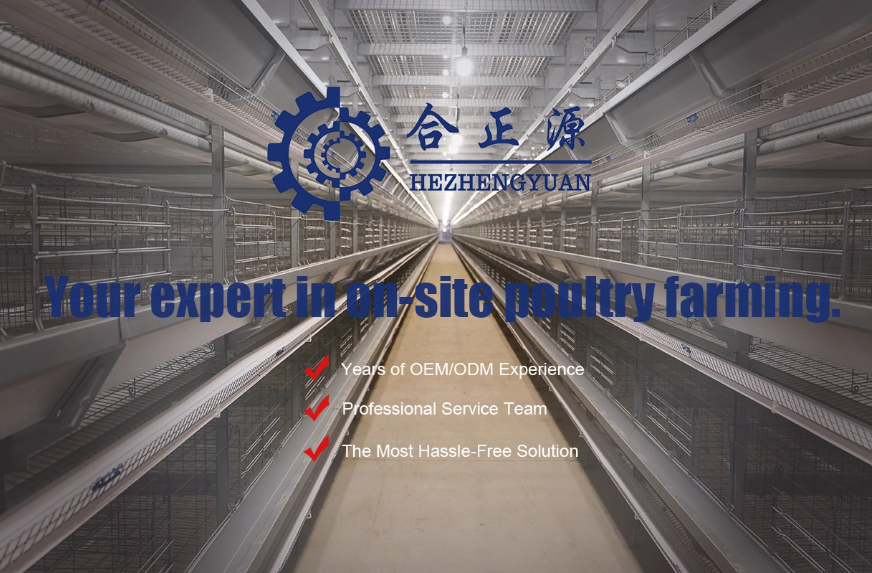
Automated feeding moves grain from exterior silos directly to the birds without human intervention. You generally choose between traveling hoppers and chain feeders. Traveling hoppers ride on steel rails above the cages, dropping precise amounts of feed into the troughs as they move down the row. Chain feeders drag feed through a continuous metal loop inside the trough. Both mechanisms eliminate manual hauling, reduce feed spillage, and remove human error from the feeding schedule.
Modern systems feature adjustable feeder speeds and volume gates. You control exactly how fast the feed moves and how much drops into the trough. This ensures uniform feed distribution across the entire cage row. Birds at the end of a 100-meter row receive the same volume and quality of feed as birds at the front. This uniformity ensures consistent flock weight, predictable egg sizing, and prevents dominant birds from hoarding rations.
The engineering demands smooth running and low-noise operation. Loud, clanking machinery stresses laying hens. Stress causes immediate drops in egg production and increases aggressive behavior. High-quality motors, well-aligned rails, and lubricated chains minimize operational noise. The ultimate outcome is preventing feed overflow. Birds cannot flick feed out of properly calibrated troughs with feed return lips. This directly optimizes your Feed Conversion Ratio, turning more grain into sellable eggs rather than floor waste.
Water delivery must be flawless and continuous. Automated drinking systems rely on precise mechanics to maintain pressure. Regulators sit at the front of each cage row. They ensure water flows evenly down the entire line, regardless of main pipeline fluctuations. Water filters catch sediment, rust, and biofilm before it reaches the cages. The 360-degree stainless steel nipple drinkers allow birds to access water from any angle with a simple peck.
These systems integrate seamlessly with automated medication dosing units. You can treat the entire flock for illness or distribute liquid vitamins by simply adjusting a dial in the control room. The doser uses water pressure to mix the exact ratio of medication into the main water line, ensuring every bird receives the correct dosage without manual mixing.
The primary outcome is constant access to clean water. Closed PVC pipes prevent algae growth and bacterial contamination common in open bell drinkers. High-quality nipples and V-shaped drip cups prevent leaks. Leaking water mixes with manure, creating toxic ammonia, breeding flies, and rotting the steel cage legs. A leak-free system maintains dry manure, which is critical for flock respiratory health and easier waste processing.
Manual egg collection damages your product and requires massive labor hours. Automatic systems use woven polypropylene or jute conveyor belts running along the front of the cages. The cage floors sit at a precise 7 to 9-degree angle. Eggs roll gently out of the cage, pass under a flexible baffle to slow their momentum, and rest on the belt. Elevator systems then transport the eggs from multiple tiers down to a central collection table or directly into a cross-conveyor leading to the packing machine.
Speed control features allow operators to match the belt speed to the packing room capacity. If the packers fall behind, the operator slows the belts to prevent pile-ups. Soft-drop mechanisms, rubber-coated transfer fingers, and flexible cage floors absorb impact. This prevents collisions between eggs as they transition from the longitudinal belts to the vertical elevators.
The outcome directly impacts revenue. You see a drastic reduction in hairline cracks, micro-fractures, and broken shells. The eggs remain cleaner because they spend less time near the birds and manure. Furthermore, you eliminate hundreds of manual labor hours previously spent walking the aisles with collection trays, allowing you to reallocate staff to maintenance and flock monitoring.
Waste management dictates the air quality and structural longevity of your facility. H-type systems utilize belt manure removal. A continuous polypropylene belt runs under each tier of cages. It catches droppings and carries them to the back of the house when the drive motor engages. A rubber scraper cleans the belt as it turns over the end roller. A cross-conveyor then moves the waste outside the building into a truck or drying shed. A-type systems often use scraper systems. A heavy steel blade drags along the concrete floor beneath the cages, pushing waste to a collection pit at the end of the barn.
The outcome is an immediate reduction in ammonia levels. Removing waste daily, rather than weekly, prevents the chemical breakdown that releases toxic gas. This improves the respiratory health of the flock, reduces eye irritation, and creates a safer environment for workers. Dry, belt-collected manure also streamlines fertilizer processing. You can sell the dry byproduct to local farms, turning a waste management problem into a secondary revenue stream.
Your initial investment breaks down into several core components. The cage materials form the foundation of your farm. Hot-dipped galvanized steel requires a larger upfront investment but resists rust in high-ammonia environments for decades. The thick zinc coating protects the steel core. Cold-galvanized wire degrades faster, often showing rust within a few years, and requires earlier replacement. The tier count directly multiplies your cost. Moving from a 3-tier to an 8-tier system requires heavier gauge steel, stronger support frames, and more complex elevator systems.
Specific automation modules add to the CapEx. You must evaluate the feeding hoppers, the egg collection elevators, and the manure cross-conveyors as individual mechanical systems. Do not cut corners on the drive motors or gearboxes. Cheap motors burn out quickly under the heavy load of wet manure or full feed chains. Invest in recognized industrial motor brands to ensure longevity.
Running the facility requires ongoing capital. Electrical consumption forms a major part of your OpEx. Motors drive the feed lines, water pumps, egg belts, and manure conveyors. Ventilation fans run continuously in closed houses to maintain air quality and temperature. You must calculate the daily kilowatt-hour draw of the entire system to understand your monthly utility burden.
Replacement parts are inevitable in heavy agricultural environments. Nipple drinkers clog with hard water scale. Manure belts stretch over time and require tensioning or splicing. Egg belts fray at the edges. You must budget for routine preventative maintenance. Lubricating chains, checking motor bearings, and replacing water filters keep the system running. Ignoring maintenance spikes your OpEx through emergency repairs, expedited shipping for parts, and lost production days.
Choosing a manufacturer requires strict criteria. Do not buy based solely on the lowest initial quote. Evaluate the warranty terms on the steel frames, the plastic components, and the electrical motors. Verify the availability of replacement parts in your specific region. A broken egg elevator costs you money every hour it sits idle waiting for parts to clear customs.
Demand on-site installation support. Assembling multi-tier systems requires laser alignment and professional leveling. Misaligned tracks cause feed hoppers to jam, manure belts to track sideways and tear, and water lines to air-lock. Ensure the vendor provides after-sales technical support and hands-on training for your farm managers.
You must calculate your return on investment using a strict framework over a standard 3-to-5-year horizon. Factor in the exact labor savings. Calculate the wages, taxes, and insurance of the workers you no longer need for manual feeding and egg collection. Add the revenue from increased egg yield. Automated collection reduces breakage by several percentage points. Multiply those saved eggs by your wholesale price.
Factor in feed efficiency. Automated feeding stops grain spillage and prevents overfeeding. Saving just a few percentage points on your annual feed bill frees up massive amounts of capital. Combine labor savings, higher yield, and lower feed costs to find the exact month your equipment pays for itself.
Automated systems introduce severe infrastructure risks. The biggest threat is a total system failure during a power outage. In a closed, H-type facility, losing power means losing ventilation, feeding, and watering simultaneously. Without ventilation, temperatures spike rapidly due to the body heat of tens of thousands of birds. You can experience catastrophic flock mortality within hours if the fans stop turning.
Mitigation is mandatory. You must install automatic backup generators capable of running the entire facility's peak load. Install automatic transfer switches that detect grid failure and start the generators within seconds. Test these generators weekly under full load. Additionally, ensure the equipment features manual override capabilities. Workers must be able to manually crank feed lines, open ventilation baffles, or drop side curtains if the electrical control panels fail completely.
Upgrading hardware changes your labor requirements. The risk lies in mishandling the new equipment. Untrained workers can over-tension manure belts, causing the drive rollers to warp or the belts to snap. They might miscalibrate feed hoppers, starving the birds or overflowing the troughs. Human error leads to premature wear, voided warranties, and catastrophic breakdowns.
You must shift your workforce structure. Transition from manual farmhands to trained equipment operators. Establish strict daily and weekly maintenance checklists. Operators must walk the aisles listening for grinding bearings, checking water pressure gauges, and inspecting belt alignment. They need to know how to grease fittings and clean sensors. Proper training protects your capital investment and ensures the machinery reaches its expected lifespan.
High-density farming faces strict regulatory scrutiny. The risk is failing local or international poultry welfare audits. Auditors inspect stocking density, access to feed trough space, water availability, and behavioral needs. If your cages are too cramped, you face fines, forced depopulation, or lose your license to sell to major grocers and commercial buyers.
Mitigate this before purchasing any steel. Verify the exact cage dimensions with the manufacturer. Calculate the square centimeters provided per bird based on your target breed's mature weight. Ensure the system design aligns with your target market regulations. European standards differ vastly from Asian or American standards. Buy equipment engineered to meet the compliance laws of the region where you sell your eggs, not just where your farm is located.
Transitioning to an automated setup is not merely a capacity upgrade. It is a fundamental shift toward data-driven, high-margin poultry farming. You replace unpredictable manual labor with precise mechanical execution. This controls feed waste, protects egg integrity, and secures flock health through superior environmental management.
Apply clear shortlisting logic when planning your facility. Choose an A-frame system for moderate scaling in open or semi-open environments where natural ventilation thrives. Choose an H-frame system for maximum density in fully climate-controlled facilities where land footprint is restricted and high yields are mandatory.
Take immediate action to begin your upgrade:
Measure your existing barn dimensions to calculate maximum tier height and row length accurately.
Audit your local power grid reliability to size the necessary industrial backup generators and transfer switches.
Request itemized equipment quotes specifying hot-dipped galvanized steel to compare material quality across vendors.
Calculate your current feed waste percentage and labor costs to establish a baseline for your return on investment timeline.
A: A high-quality, hot-dipped galvanized layer cage typically lasts 15 to 20 years. The hot-dipped process creates a thick zinc coating that resists the highly corrosive ammonia found in poultry manure. Cold-galvanized systems generally have a shorter lifespan, often showing signs of rust within 5 to 7 years depending on facility humidity and ventilation.
A: An A type cage uses a staggered, pyramidal shape allowing droppings to fall clear of lower tiers, making it ideal for naturally ventilated houses. An H type cage stacks tiers directly vertically, maximizing floor space. H type systems require mechanical manure belts and mandate fully enclosed, climate-controlled buildings due to the high bird density.
A: Yes, many manufacturers design modular systems. You can install the cages with automated watering and feeding first. Later, as capital allows, you can retrofit automatic egg collection belts and mechanical manure removal systems. You must ensure the initial frame purchased supports the weight and brackets of future automation modules.
A: Automatic systems utilize sloped, flexible cage floors that gently roll the egg onto a woven polypropylene belt. This removes the egg from the cage immediately, preventing birds from pecking or trampling it. Soft-drop fingers and speed-controlled elevators prevent eggs from colliding during transport to the packing room.
A: Power requirements vary heavily based on scale and climate control needs. A fully automated closed house requires three-phase industrial power to run heavy-duty ventilation fans, feed hopper motors, manure belt drives, and egg elevators simultaneously. You must consult an electrical engineer to calculate the exact kilowatt draw of your specific equipment load.
A: Automated belts remove manure from the facility daily or multiple times a week. This prevents the buildup of droppings and stops the chemical breakdown that produces toxic ammonia gas. Lower ammonia levels drastically reduce respiratory diseases, limit eye irritation, and lower overall flock mortality rates.


