
T: +86-16678679070
W: +8617861003581
W: +8617861003581
A: No. 6 Changcheng South Road, Chengyang District, Qingdao, Shandong, China 266108
Views: 0 Author: Site Editor Publish Time: 2026-07-16 Origin: Site


Commercial layer farms operate under immense pressure today. Tightening labor markets severely strain daily workflows. Farm managers struggle to find reliable workers for physically demanding tasks. Meanwhile, strict food safety guidelines set by the USDA and FDA require flawless execution. Furthermore, egg downgrades from micro-cracks and bacterial contamination eat heavily into your profit margins. Operators must rethink their daily processes to survive.
Moving away from manual gathering is no longer merely a capacity upgrade. Transitioning from outdated semi-automated setups is a critical requirement for modern agriculture. It acts as a mandatory baseline for protecting yield margins. It also enforces rigid biosecurity measures across the facility. You need a reliable framework to evaluate your modern equipment options.
This guide provides farm operators and procurement managers a clear path forward. We offer a technical and commercial framework tailored for commercial agriculture. You will learn how to properly evaluate, select, and implement a high-yield collection setup successfully.
Yield Protection: Modern systems can reduce egg breakage and micro-crack rates to below 0.5% through variable speed controls and soft-transfer engineering.
Biosecurity Compliance: Antimicrobial, washable conveyor belts minimize cross-contamination risks from hen to central packing.
Vendor Vetting: Choosing the right egg collection system manufacturer requires prioritizing local parts availability, retrofit compatibility, and post-installation support over base equipment cost.
Manual collection relies heavily on expensive hourly labor. Human pacing fluctuates constantly throughout a shift. This fluctuation leads to highly inconsistent workflows. Workers experience fatigue, which naturally increases handling errors and drop rates. Automated systems remove this unpredictability entirely. They ensure a continuous flow directly from the layer house to the packing room.
Outdated setups often rely on rigid transfer points and sudden drops. These harsh mechanical transitions cause severe shell damage. A modern Egg Collection System solves this precise problem. It utilizes gentle handling mechanisms to protect the fragile shell. You measure success directly by lowering the percentage of downgraded eggs arriving at the grader.
Additionally, static eggs face incredibly high contamination risks. Eggs sitting unattended on belts invite manure contact. They also encourage pecking behavior from the flock. Continuous automated collection removes them quickly from the cage area. This rapid movement mitigates bacterial loads. It prevents pathogens like Salmonella from spreading across the belt. Fast removal keeps your operation compliant and your flock noticeably healthier.
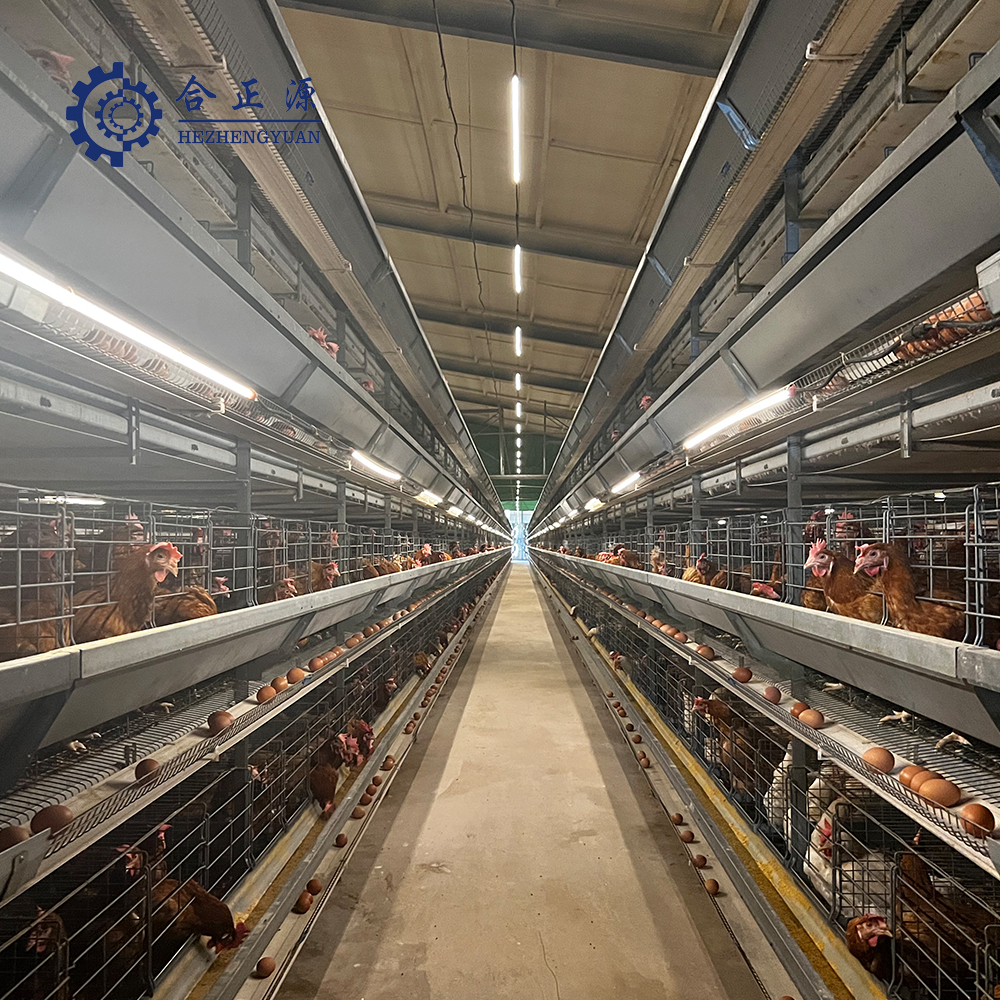
You must evaluate specific mechanical components before making a large capital purchase. Each moving part plays a vital role in smooth operations.
Belts run the entire longitudinal length of your layer cages. You must choose primarily between woven polypropylene and perforated plastic materials. Woven fabrics offer high durability and cost-effectiveness. Perforated plastic provides significantly better manure resistance. The perforations allow debris to fall through. This creates self-cleaning capabilities during operation.
Vertical transfers move eggs carefully between tier levels. Continuous-motion elevators consistently outperform stationary lifting mechanisms. They handle high volume surges much more smoothly. Soft-grip mechanisms are essential here. Fingers or padded clamps cradle eggs securely. They prevent rolling and cracking as eggs move down from high multi-tier cages.
Large commercial farms use cross-conveyors to consolidate output. They gather production from multiple adjacent houses into one central room. Central accumulators act as automated traffic controllers. They widen the belt pathway. This prevents mechanical bottlenecks right before eggs enter the grading machines.
Modern setups rely heavily on programmable logic controllers. You absolutely need variable frequency drives (VFD) and precise load sensors. These sensors detect volume surges on the line. They adjust belt speeds automatically. This dynamic speed matching prevents dangerous pile-ups during peak morning laying hours.
Farm operators must align system capabilities directly with their operational goals. Look closely at scalability, compatibility, and compliance standards.
You must calculate required belt speeds accurately. Factor in your total flock size and specific peak laying times. Match this potential volume to your downstream packing machine capacity. A severe mismatch creates backups. If the belts run faster than the grader can process, eggs will collide and shatter.
You must ensure new equipment fits your existing infrastructure perfectly. Check if the setup integrates easily with older A-frame or H-frame battery cages. Cage-free aviary setups require distinctly different belt configurations. Always verify physical dimensions and slope angles before ordering custom parts.
Food safety compliance dictates your material choices. Belts, transfers, and gears must allow easy wash-down procedures. You should select antimicrobial surfaces. They resist harsh disinfection chemicals. They retain minimal organic matter after deep cleaning.
Multi-motor setups draw significant electrical power. You should evaluate the energy load under continuous daily use. High-efficiency motors lower operational strain over time. They reduce thermal output and decrease your facility's daily electrical footprint.
System Component Evaluation Matrix
Component Category | Standard Legacy Design | Modern System Upgrade | Primary Operational Benefit |
|---|---|---|---|
Belt Material | Standard woven fabric | Perforated plastic | Self-cleaning, highly manure resistant, washable |
Vertical Transfer | Rigid stationary lifts | Continuous soft-grip elevators | Eliminates micro-cracks during descent |
Speed Control | Single-speed mechanical motors | VFD with PLC load sensors | Prevents egg pile-ups automatically |
Cross-Conveyor | Narrow fixed-width belts | Expanding central accumulators | Balances volume before grading |
Installing new mechanical equipment requires careful operational planning. You must manage downtime tightly and protect your flock from excessive stress.
Set realistic timelines for hardware installation. Phase the implementation carefully across active houses. You must not disrupt the flock's artificial lighting schedule. Sudden routine changes severely impact natural laying cycles. Coordinate with contractors to work swiftly during optimal low-activity windows.
Never start a newly installed setup with real eggs. You must run heavy plastic or wooden "dummy eggs" first. This allows your team to calibrate belt tension perfectly. You can adjust transfer plate angles safely. It ensures elevator timing is completely flawless before going live.
Industrial machinery noise stresses laying hens. You must manage the acoustic impact of new equipment. Variable frequency drives help immensely here. Soft start-ups prevent sudden loud motor engagements. This prevents flock panic, smothering, and subsequent production drops.
Your farm staff will shift roles completely. They transition from physical manual labor to technical system monitoring. Train them thoroughly on basic mechanical maintenance. They must also master emergency shut-off protocols. Quick reactions prevent massive egg loss during sudden jams.
Selecting the right vendor is just as important as the hardware itself. You need a reliable long-term partner capable of providing ongoing support.
Evaluate Supply Chain and Parts Availability: Mechanical failures will happen eventually. Vendor proximity matters greatly. You must choose an Egg Collection System manufacturer with robust local distribution networks. Readily available replacement parts minimize devastating facility downtime.
Assess Customization Engineering: Every layer farm has unique spatial constraints. Vet manufacturers based on their custom engineering skills. They must design efficient cross-conveyor routes. Their engineers should easily navigate slopes, varied house heights, and sharp corners.
Review Service Level Agreements (SLAs): Read the warranties meticulously. Look for comprehensive motor coverage. Check the specific clauses regarding belt wear-and-tear. You must also demand 24/7 technical support access for emergencies.
Conduct Reference Checks: Never buy blindly from a glossy catalog. Visit active farm sites installed by the manufacturer. Observe the system performance in real-time. Watch the egg transfer smoothness personally. Speak directly with the farm operators about daily reliability and maintenance hurdles.
An automated setup serves as a vital strategic asset for scaling layer production safely.
Upgrading your hardware ensures strict adherence to modern food safety and biosecurity regulations.
The absolute lowest-cost equipment often yields the highest long-term breakage rates and maintenance headaches.
Prioritize soft-transfer engineering, VFD controls, and strong post-installation vendor support to maximize your operational yield.
Do not let outdated equipment drain your margins any longer. Take action to protect your production numbers. Request a comprehensive site audit from a qualified manufacturer today. They will map out your custom house dimensions. They can help you build a resilient, high-yield operation ready for modern demands.
A: Most modern conveyor belts last between five and seven years. This lifespan depends heavily on the material type and daily operational hours. Regular maintenance extends usability significantly. Proper tensioning prevents premature edge fraying. Scheduled dry-brushing stops acidic manure from degrading the plastic or woven polypropylene fibers over time.
A: Yes, modern setups handle size variances effortlessly. They utilize flexible soft-transfer points. Adjustable guide rails easily accommodate the standard size differences found in commercial layer flocks. Load sensors also adjust belt speeds dynamically. This prevents extra-large eggs from clustering and causing physical bottlenecks at narrow transition points.
A: A sudden outage stops the motors immediately. Commercial farms must install backup generators to resume operations quickly. Modern programmable logic controllers feature mechanical memory. They remember the exact operational state before the outage occurred. Most units also include manual override capabilities. Workers can clear belts safely by hand if electronic controls fail completely.
A: Cleaning frequency aligns strictly with your facility's biosecurity standards. Systems use automated dry-brushing mechanisms daily to remove dust and loose debris. Deep wet-washing happens less frequently, usually between flock cycles. Workers use specialized foaming disinfectants on the washable belts. This effectively eliminates dangerous bacterial loads like Salmonella.
A: Yes, seamless integration is standard practice. Installers use advanced sensor networks to connect the new collection accumulator directly with your older downstream equipment. These sensors synchronize speeds across both setups. If the packing machine slows down, the central controller automatically reduces the incoming belt speed. This communication prevents disastrous pile-ups.


