
T: +86-16678679070
W: +8617861003581
W: +8617861003581
A: No. 6 Changcheng South Road, Chengyang District, Qingdao, Shandong, China 266108
Views: 0 Author: Site Editor Publish Time: 2026-07-20 Origin: Site


Large-scale commercial duck farms face immense dual pressures today. Rising land costs constantly squeeze your expansion opportunities. Simultaneously, unpredictable labor availability disrupts daily operational routines. You can no longer rely entirely on traditional floor-raising systems. Floor rearing demands massive square footage. It also exposes flocks to significantly higher disease risks. Modern vertical integration offers a much smarter path forward. Transitioning to an H-Type Duck Cage System requires upfront capital. However, it ultimately serves as the most viable low-cost strategy for long-term scalability. You will discover how automated efficiencies drive this transformation. You will also learn how these systems improve Feed Conversion Ratios (FCR) while maximizing stocking density. We will guide you through the business case, engineering advantages, and facility implementation realities. Finally, you will understand how to evaluate vendors effectively to protect your long-term capital investment.
Maximized Land Utilization: H-Type vertical architecture multiplies stocking density per square meter by 3x to 4x compared to traditional floor rearing.
Operational Cost Reduction: Integrated automation for feeding, drinking, and manure removal drastically cuts daily labor requirements and minimizes feed waste.
Flock Health & Yield: Segregated manure management significantly lowers ammonia levels, reducing mortality rates and improving overall meat or egg yields.
Vendor Due Diligence: Selecting the right Duck Cage System manufacturer requires evaluating steel galvanization quality, structural load bearing, and post-sale installation support.
Commercial duck farming requires constant optimization. Traditional floor-rearing methods create a hard ceiling for business expansion. Managing thousands of ducks on flat ground consumes enormous tracts of land. As real estate prices climb globally, acquiring new land for horizontal expansion becomes financially unviable. Furthermore, flat-floor setups rely heavily on manual labor. Workers must manually distribute feed, clean wet bedding, and collect eggs. Labor shortages make scaling these operations nearly impossible.
You must redefine what "low-cost" means in modern agriculture. In commercial breeding, low-cost does not mean buying cheap equipment. Cheap cages rust quickly and break down constantly. True low-cost strategies focus entirely on achieving a lower Cost-Per-Bird (CPB) over a 10-to-15-year lifecycle. When you invest in durable infrastructure, you spread the initial capital expense across millions of successfully raised birds. This long-term calculation completely changes how you should view equipment procurement.
Decision-makers need objective metrics to evaluate their infrastructure choices. You should judge success using three specific performance indicators. These metrics dictate your actual profit margins.
Feed Conversion Ratio (FCR) Improvements: Feed represents the largest ongoing expense in duck farming. High-density cages restrict unnecessary bird movement. This restricted movement converts more feed energy directly into meat or egg production rather than heat dissipation.
Reduced Mortality Rates: Floor-raised ducks walk through their own waste constantly. This exposure spreads bacterial infections rapidly. Elevated cages separate birds from manure, dropping mortality rates significantly.
Labor Hours Saved Per 10,000 Birds: Automation drastically reduces the human hours needed to manage a flock. You can reallocate your workforce to health monitoring and facility management instead of manual cleaning.
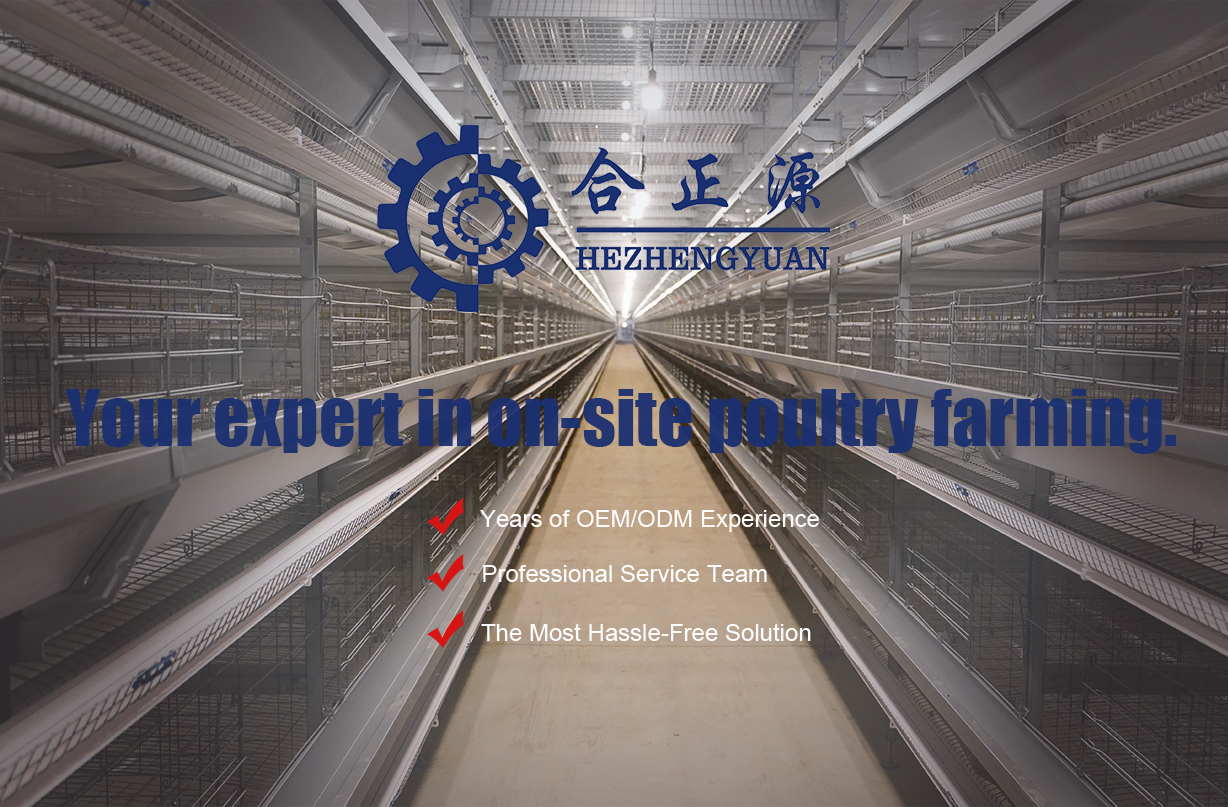
Poultry facility design evolved significantly over the last decade. Many older farms still use A-Type, or ladder-style, setups. A-Type cages form a pyramid shape. They require wide aisles so droppings can fall to the floor below. This design wastes valuable indoor space. Conversely, the "H-Type" configuration uses a true battery or vertical stack design. Each tier stacks directly on top of the next, resembling a block "H" from the front. This vertical integration is vastly superior for stability. It maximizes stocking density in large-scale indoor facilities. You can easily stack them three to six tiers high.
Material selection defines the survival of your investment. Duck manure is famously wet and highly acidic. This acidic environment destroys inferior metals quickly. You must insist on hot-dip galvanized steel, specifically Q235 grade. Cold-galvanized steel provides only a thin protective zinc layer. Ammonia and acid easily eat through cold-galvanized metal within two to three years. Hot-dip galvanizing submerges the raw steel into molten zinc. This creates a thick, bonded alloy coating. While it costs more upfront, avoiding standard or low-gauge steel prevents severe financial ruin from rapid structural corrosion.
Bird welfare directly impacts your final yield. Stress or injury ruins meat quality and halts egg production. Engineers tailor modern cage dimensions specifically for duck physiology. Ducks have wide, flat, and highly sensitive feet. If they stand on sharp or improper wire mesh, they develop severe footpad dermatitis. This condition causes pain, reduces feeding, and creates entry points for systemic infections. Well-designed bottom meshes use specific gap sizing to support the webbed foot fully. Furthermore, specialized anti-escape baffles keep aggressive birds secure without causing neck injuries during feeding.
Purchasing cages made from recycled scrap steel instead of virgin Q235.
Accepting electro-galvanized finishes instead of true hot-dip treatments.
Ignoring the mesh wire thickness on the cage floor.
Manual farm management introduces human error. Automation removes it. We must look at how specific mechanical features translate into hard financial outcomes. Fully integrated systems handle the three most labor-intensive tasks: feeding, cleaning, and harvesting.
Automated feeding and drinking lines transform daily operations. Calibrated silos store the feed securely. Internal auger systems then distribute exact portions down each tier. Duck-specific nipple drinkers provide fresh water on demand. This precision eliminates feed spillage. Spilt feed represents a massive operational expense drain. When ducks cannot kick their feed onto the floor, your FCR improves instantly. Uniform feed distribution also ensures uniform bird growth across the entire flock.
Manure removal systems dictate the environmental health of your shed. H-Type cages feature a conveyor belt manure clearing system positioned under every single tier. The belt catches droppings immediately. A centralized motor then pulls the waste out of the shed daily. This immediate separation of birds from feces achieves a critical goal. It drastically reduces ammonia gas buildup inside the building. Lower ammonia levels prevent severe respiratory diseases. It also lowers your ongoing ventilation costs because exhaust fans do not have to work as aggressively to clear toxic air.
Egg collection features protect your revenue if you raise laying ducks. Centralized egg conveyor belts run along the front of the cages. These belts use soft-drop buffering mechanisms. When a duck lays an egg, it rolls gently onto the belt. The system then transports the eggs smoothly to a central packing station. This automation reduces egg breakage rates to sub-1%. Protecting the shell integrity directly protects your profit margins.
Table: Feature-to-Outcome Financial Matrix
Automation Feature | Primary Mechanism | Direct Financial Outcome |
|---|---|---|
Calibrated Auger Lines | Prevents manual over-pouring | Eliminates 5-10% feed spillage waste |
Tiered Conveyor Belts | Daily waste extraction | Reduces ventilation energy costs & disease |
V-Shaped Nipple Troughs | Catches excess dripping water | Keeps belts dry, preventing steel rust |
Soft-Drop Egg Belts | Automated central collection | Maintains sub-1% egg breakage rate |
Upgrading your farm is not as simple as assembling metal cages. You must prepare your physical infrastructure first. Heavy vertical structures demand strict facility prerequisites. A six-tier system loaded with adult birds, automated feeders, and wet manure carries immense weight. Your poultry house must feature heavily reinforced, load-bearing concrete floors. Slight unevenness or floor settling will bend the cage frames over time. Furthermore, you need specific ceiling heights to accommodate taller tiers safely while leaving room for overhead airflow.
Environmental control requires absolute precision. You cannot deploy high-density systems without aggressively upgrading your HVAC setup. A densely packed cage system concentrates thousands of heat-producing bodies into a tight space. Without proper ventilation, the upper tiers will overheat rapidly. You must install high-capacity exhaust fans and evaporative cooling pads. This climate control manages severe heat dissipation. If you ignore ventilation upgrades, you risk catastrophic flock loss during summer months.
Biosecurity and maintenance form your daily operational reality. Automation does not mean you can walk away. Your staff must perform routine visual inspections of all moving parts. Manure belts require tension adjustments. Waterlines need regular chemical flushing to prevent biofilm buildup. You must also implement proactive mechanical maintenance. Lubricating motors and checking auger bearings prevents systemic downtime. If a feeding line breaks and takes two days to fix, your flock will suffer irreversible weight loss.
Hire structural engineers to verify concrete slab load limits before ordering equipment.
Design your ventilation strategy specifically for multi-tier airflow dynamics.
Keep critical spare parts (like nipple drinkers and belt splices) on-site always.
The global agricultural equipment market contains many suppliers. However, not all suppliers actually build what they sell. You must differentiate between true manufacturers and pure assemblers or traders. A genuine Duck Cage System manufacturer maintains in-house production capabilities. They control the wire drawing, precision welding, and hot-dip galvanizing processes. Pure traders simply buy components from various cheap factories and box them together. Buying directly from a true manufacturer ensures consistent quality control and accountability.
Customization and engineering support separate elite vendors from average ones. No two poultry sheds are exactly alike. You should look for a manufacturer capable of providing detailed CAD blueprints. These blueprints must be tailored specifically to your existing facility dimensions. They need to calculate aisle widths, roof clearances, and structural support column spacing. If a vendor refuses to provide custom engineering drawings, you should look elsewhere.
Procurement teams must watch out for distinct red flags. Avoid suppliers offering inexplicably low quotes. In heavy steel manufacturing, pricing remains relatively standardized based on global raw material costs. A massively discounted quote usually indicates severe compromises. It often means a dangerously thin zinc coating, low-grade recycled steel, or omitted automation components. These hidden shortcuts will cost you millions in structural replacements down the road.
Lifecycle support guarantees your operational continuity. You need explicit warranty terms for all moving parts, especially motors and belts. Highlight the importance of guaranteed spare parts availability over a ten-year horizon. The best manufacturers also provide post-sale installation supervision. They will send a technical engineer to your farm to oversee the local assembly crew. This ensures the cages align perfectly, preventing premature wear on automated conveyor tracks.
Upgrading to an H-Type cage setup represents a massive strategic infrastructure investment. It successfully transitions a farm from a chaotic, labor-intensive operation into a streamlined, data-driven facility. By utilizing vertical space, you bypass land constraints while significantly improving your output per square meter. The integrated automation directly tackles feed waste and high mortality, protecting your bottom line.
Your procurement team should take immediate analytical steps. First, calculate your current Cost-Per-Bird and daily labor expenses to establish a solid financial baseline. Once you know your current operational baseline, you can request custom facility blueprints from shortlisted vendors. Demand detailed ROI projections based on their specific equipment proposals.
Do not wait for labor shortages to cripple your production. Take control of your scaling strategy today. We encourage you to request a technical consultation or a customized ROI audit based on your specific flock size and land dimensions. Securing the right infrastructure now ensures your farm remains profitable and competitive for the next two decades.
A: Typically 15–20 years, provided the facility maintains proper ventilation and routine cleaning of manure belts. Routine maintenance protects the zinc coating from prolonged exposure to harsh acidic waste.
A: Yes. While the structural frame is similar, the cage heights, mesh spacing, and addition of egg-collection baffles are customized based on the bird type to ensure safety and maximum yield.
A: Duck-specific nipple drinkers with V-shaped drip troughs are utilized to prevent water from soaking the manure belts, maintaining a dry environment and protecting the steel framework from rapid corrosion.
A: While variable, automated systems typically show optimal financial returns when scaled for commercial operations housing 10,000 birds or more per shed. Larger flocks dilute the initial capital expenditure faster.


