
T: +86-16678679070
W: +8617861003581
W: +8617861003581
A: No. 6 Changcheng South Road, Chengyang District, Qingdao, Shandong, China 266108
Views: 0 Author: Site Editor Publish Time: 2026-06-25 Origin: Site


Modern commercial poultry farming faces unprecedented challenges. Escalating manual labor costs and strict biosecurity demands are pushing operators to rethink daily workflows. You can no longer treat manure management as a secondary chore. Accumulated waste acts as a critical variable today. It directly impacts flock mortality rates and overall facility efficiency. As ammonia levels rise, bird health deteriorates rapidly. This reality shifts the focus from simple cleaning to strategic environmental control.
This article objectively evaluates how an Automatic Manure Cleaning System impacts facility efficiency. We will explore key system variations. You will also discover a practical framework for selecting the exact equipment suited for your specific housing setup. By understanding these dynamics, you can make informed decisions to optimize both hygiene and productivity.
Automating manure removal directly correlates with lowered ammonia levels, reducing respiratory stress and mortality in flocks.
The choice between scraper and conveyor belt systems depends strictly on the house structure (floor raising vs. stacked battery cages).
System longevity relies heavily on material specifications, specifically hot-dip galvanized steel and virgin PP (polypropylene) belts.
Partnering with an experienced Automatic Manure Cleaning System manufacturer is critical to ensuring proper installation, preventing common failures like belt deviation or winter freezing.
Poultry waste naturally releases high concentrations of ammonia (NH3) and hydrogen sulfide (H2S). When these highly toxic gases accumulate, they ravage internal air quality. Birds suffer acute respiratory diseases. Consequently, their feed conversion ratios (FCR) plummet. Poor air quality stresses the flock constantly. It reduces their biological ability to convert feed into body weight efficiently. The financial toll of poor air quality compounds daily.
Manual scraping drains valuable operational hours. Farmhands spend excessive time shoveling waste. You should reallocate this expensive labor to high-value tasks. Monitoring flock health yields significantly better returns than managing wet manure. Semi-manual operations still require heavy tractor use inside the barns. This creates disruptive noise and burns expensive fuel. Automating this process eliminates a massive operational bottleneck entirely.
Inconsistent cleaning creates perfect breeding grounds for harmful pathogens. Pests multiply rapidly inside damp manure piles. Flies and beetles carry diseases between flocks. This dynamic increases your reliance on expensive veterinary interventions. Automated removal breaks this vicious cycle effectively. It removes the primary pathogen source before minor issues escalate into catastrophic outbreaks.
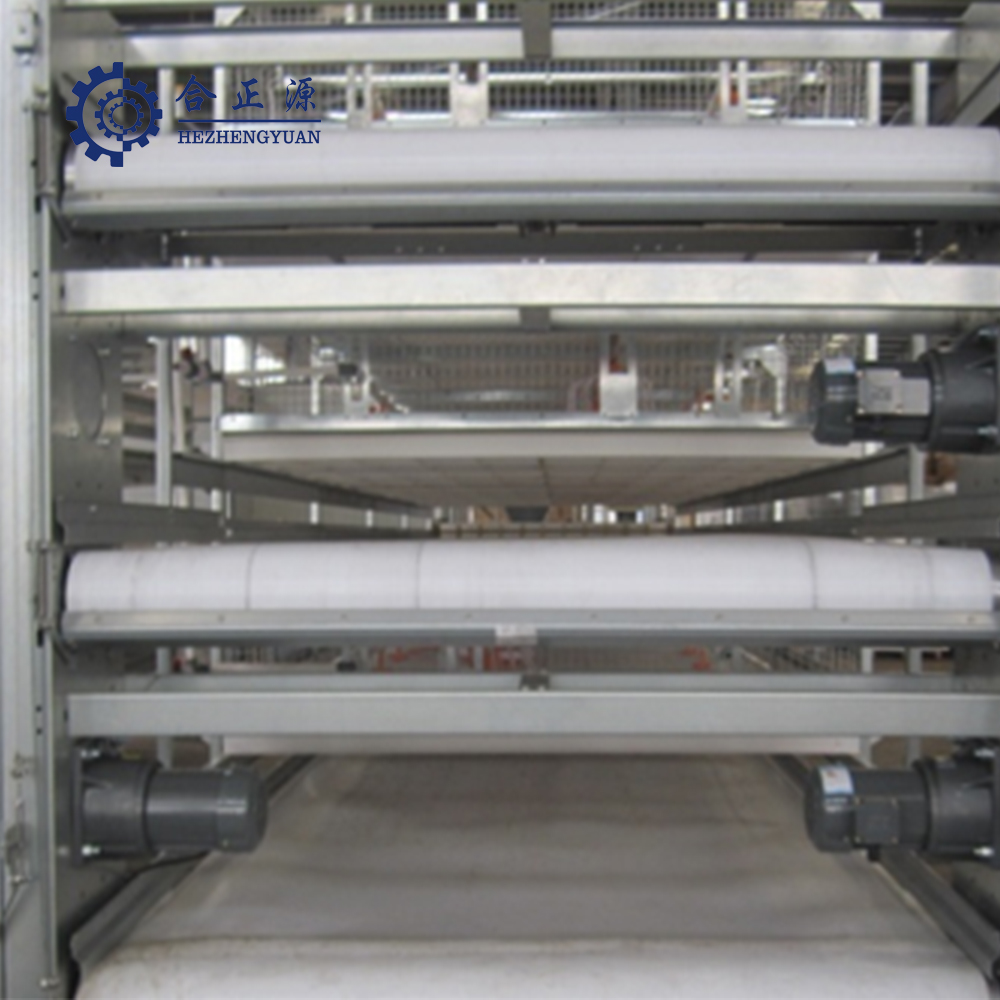
System Comparison: Conveyor Belt vs. Scraper Setup
Feature | Conveyor Belt Systems | Scraper Systems |
|---|---|---|
Primary Mechanism | Horizontal PP belts under tiers | Motor-driven steel blades |
Ideal Environment | Stacked cages, multi-tier layouts | Floor-raised, free-range barns |
Initial Investment | Higher capital expenditure | Highly cost-effective |
Manure Output | Very dry, easy to transport | Handles higher moisture levels |
Horizontal PP belts sit directly under each cage tier. They catch falling waste continuously. Motorized rollers transfer this waste to a larger cross-conveyor outside the house. These systems are best for high-density, multi-tier layer setups. They also suit modern stacked broiler houses perfectly. The initial capital expenditure is notably higher. However, they deliver the lowest possible ammonia emissions. They also produce the driest manure output available.
Heavy-duty steel blades scrape along specially designed concrete channels. Motor-driven cables or chains pull these thick blades. This setup is best for traditional floor-raised broilers. Free-range breeder setups also benefit immensely. They are highly durable and very cost-effective to install initially. Scrapers handle higher moisture content easily. However, they require specific concrete channel preparation during the barn construction phase.
Daily automated clearing drastically reduces ambient ammonia concentrations. Industry standards recommend keeping ammonia strictly below 25 ppm. Weekly manual cleaning often allows dangerous spikes well beyond 50 ppm. Daily automated removal stabilizes these volatile levels. Birds breathe much easier. Mortality rates drop predictably. The long-term physiological stress on the flock disappears.
Daily automated removal reduces raw moisture content significantly. The resulting byproduct becomes much lighter. This physical change makes external transport far cheaper. Drier manure is also ready for rapid composting. Some farms even sell it directly as premium organic fertilizer. You transform a costly waste management problem into a potential revenue stream.
Automated setups allow strict, predictable schedules. You maintain perfect environmental control regardless of external factors. Sudden labor shortages do not delay your daily cleaning routines. Human error disappears from the equation entirely. You gain total predictability over your daily barn operations.
Evaluating hardware requires strict attention to material science. You must demand the following specifications:
Material Integrity: Poultry waste is highly acidic. It corrodes inferior metals very quickly. You need serious corrosion-resistant materials. Look for hot-dip galvanized steel frames. They withstand harsh, humid barn environments for decades.
Belt Quality (For Conveyor Types): Evaluate the Polypropylene (PP) belts rigorously. Assess their exact thickness. Check the rated tensile strength. Virgin PP resists stretching and deformation over time. Cheaper recycled plastics often stretch and fail prematurely.
Anti-Deviation Technology: Long belts tend to drift off-center naturally. Self-aligning tracking mechanisms are non-negotiable here. They prevent severe belt fraying. They also reduce unnecessary strain on the primary drive motors.
Drive Motors & Gearboxes: These components do the heavy lifting daily. They require industrial continuous-duty ratings. Demand energy-efficient models. Fully enclosed housings are absolutely vital. They prevent destructive dust and moisture ingress.
Users often complain about sudden belt snapping. This halts operations completely.
Mitigation Strategy: Conduct routine tension checks weekly. Insist on ultrasonic welding for all belt seams during purchase. This advanced welding creates a bond as strong as the belt itself.
Cold climates pose a severe operational risk. Manure can freeze directly to moving belts or steel scrapers.
Mitigation Strategy: Integrate reliable climate-controlled housing. Alternatively, specify low-temperature resistant PP materials. Run your systems more frequently during severe cold snaps to prevent solid freezing.
Installing these robust systems in older barns poses unique structural challenges. You must assess floor leveling carefully. Existing pit dimensions often dictate the system type you can reasonably install. New builds easily accommodate deep scraper pits. Older floor-raised houses might require extensive, expensive concrete modifications to fit modern scrapers properly.
Evaluate whether the supplier customizes physical dimensions. Your specific cage widths and house lengths matter deeply. Avoid vendors selling only rigid, off-the-shelf sizes. A competent partner engineers the system to match your exact floor plan.
Transparency builds long-term trust. A reputable Automatic Manure Cleaning System manufacturer openly shares origin data. They state exactly where their drive motors originate. They detail the exact gauge and zinc coating thickness of their steel components.
Post-sale support dictates long-term success. Demand documented Service Level Agreements (SLAs). You need quick, reliable access to replacement parts. Belts and scraper blades wear out eventually. Remote and on-site troubleshooting capabilities keep your farm running smoothly during unexpected breakdowns.
Verify real-world hardware durability. Request detailed case studies. Ask for end-user references from facilities matching your specific climate. Ensure they manage similar bird capacities. Speaking directly to existing customers reveals the truth about system reliability.
Automating manure removal is no longer a luxury. It remains a baseline requirement for scaling modern poultry operations safely. Daily clearing drastically lowers harmful ammonia levels. It reallocates expensive labor toward critical flock monitoring tasks.
When selecting your equipment, prioritize material durability above all else. Focus heavily on housing compatibility over the lowest initial price tag. Hot-dip galvanized steel and virgin PP belts provide the best long-term value.
Start your transition today. Audit your current manual labor costs immediately. Measure your daily ammonia levels accurately. Finally, request a site-specific technical drawing from a qualified manufacturer to visualize your automated future.
A: A standard 20,000-bird layer house typically reclaims 15 to 25 hours per week. Instead of doing daily manual scraping or tractor operations, farmhands only spend minutes monitoring the automated control panels. Operators can reallocate this saved labor entirely to crucial flock health inspections.
A: Yes, retrofitting is quite common. However, you must modify the existing floor to include proper concrete channels. These specific channels require precise depth and width dimensions to accommodate the heavy steel scraping blades. Consult a structural engineer to ensure your foundation supports these changes safely.
A: High-quality virgin PP belts typically last between 3 to 5 years under normal operating conditions. Some premium belts exceed this lifespan easily. Performing routine tension adjustments and maintaining proper tracking alignment significantly extend their total operational life.
A: The automated drive motors will stop immediately. Most modern setups include simple manual override options for emergencies. However, maintaining a robust backup farm generator remains absolutely essential. Prompt power restoration prevents dangerous manure accumulation and limits potential belt freezing in colder climates.


