
T: +86-16678679070
W: +8617861003581
W: +8617861003581
A: No. 6 Changcheng South Road, Chengyang District, Qingdao, Shandong, China 266108
Views: 0 Author: Site Editor Publish Time: 2025-05-14 Origin: Site


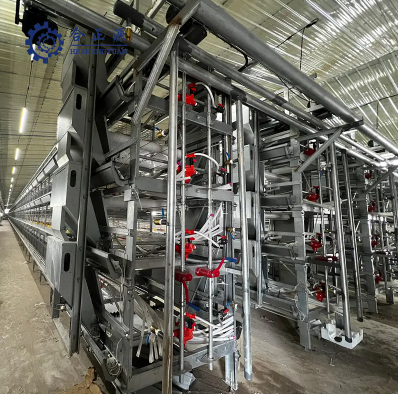
The advent of automation in agriculture has revolutionized the way farmers manage their livestock, and poultry farming is no exception. Installing automatic chicken coops has become a game-changer for both small-scale and commercial chicken farmers. These systems not only enhance productivity but also ensure the welfare of the chickens by providing a controlled environment. This article delves into the comprehensive guide on how to install automatic chicken coops for chicken farming, exploring the benefits, installation process, and crucial considerations.
Automatic chicken coops are modern housing systems equipped with automated mechanisms for feeding, watering, egg collection, and environmental control. By utilizing technology, these coops minimize manual labor and optimize conditions for chicken growth and egg production. Leading automatic chicken coop manufacturers offer customized solutions catering to various farming needs.
The primary advantage of automatic coops is the efficiency they bring to poultry farming. Automated systems ensure consistent feeding schedules, proper lighting, and optimal temperature control, which are essential factors for maximizing egg production and healthy growth. Moreover, they reduce the likelihood of human error and labor costs, making farming operations more profitable.
Choosing the appropriate automatic chicken coop is crucial. Factors such as the size of the flock, climatic conditions, and specific farming objectives must be considered. Options range from standard models to customized solutions like the automatic OEM chicken coop, designed to meet specific requirements.
When selecting a coop, consider both current and future capacity needs. It's advisable to choose a system that can be scaled up as the flock grows. High-capacity coops like the automatic chicken layer coop can accommodate large numbers of chickens while maintaining optimal conditions.
Effective climate control is essential for chicken health. Advanced coops come with ventilation systems, heating, and cooling mechanisms. For instance, the environmental control system ensures that temperature and humidity levels are kept within optimal ranges, reducing stress on the birds and enhancing productivity.
Before installation, proper planning is essential. This includes site selection, ensuring adequate space, and preparing the necessary utilities like electricity and water supply. It's also important to familiarize oneself with local regulations concerning poultry farming and building structures.
Choose a location that is elevated to prevent flooding and has good drainage. The site should be accessible for ease of maintenance and biosecurity measures. Clearing the area of debris and leveling the ground will facilitate a smoother installation process.
Ensure that there is a reliable electricity supply to power automated systems such as feeders, lighting, and climate control. Access to clean water is vital for the watering systems. Installing backup generators or solar panels can provide energy security and reduce operational costs.
Installing an automatic chicken coop involves several critical steps that must be meticulously followed to guarantee the system's efficiency and longevity.
Begin by laying a solid foundation, which may involve concrete slabs or pilings, depending on the coop design. Assemble the structural framework according to the manufacturer's specifications, ensuring all components are securely fastened.
Install feeding systems that dispense feed at programmed intervals. Automated watering lines should be set up to provide continuous access to fresh water. Egg collection systems, such as conveyor belts, facilitate the efficient gathering of eggs with minimal handling.
Set up ventilation systems, including fans and air inlets, to maintain air quality. Heating and cooling systems should be calibrated to adjust to external weather conditions automatically. Installing sensors and control panels will enable real-time monitoring of environmental parameters.
Incorporate features that prevent the entry of predators and pests. This includes installing sturdy doors, mesh screens, and perimeter fencing. Implementing foot baths and hand sanitizing stations at entry points can mitigate the risk of disease transmission.
The integration of the Internet of Things (IoT) in poultry farming enhances the functionality of automatic chicken coops. IoT devices enable remote monitoring and control of coop systems, providing real-time data on temperature, humidity, and the health of the flock.
IoT-enabled feeders and waterers can adjust the supply based on consumption patterns. This not only ensures the chickens have constant access to necessities but also helps in reducing waste and controlling costs.
Sensors can detect changes in the coop's environment and automatically adjust systems to maintain optimal conditions. Alerts can be set up to notify the farmer of any anomalies, allowing for prompt action to prevent potential issues.
Regular maintenance is vital to ensure the longevity and efficiency of automatic chicken coops. Establishing a routine for inspecting equipment, cleaning, and updating software will prevent breakdowns and extend the lifespan of the systems.
Schedule regular inspections of mechanical components such as motors, belts, and chains. Replace worn-out parts promptly to avoid disruptions in operations. Lubricate moving parts as recommended by the manufacturer.
Maintain high sanitation standards to prevent disease. This includes cleaning feeders, drinkers, and the coop environment regularly. Proper manure management is essential to reduce ammonia levels and promote a healthy environment.
Keep the software of automated systems up to date to benefit from the latest features and security enhancements. Establish a relationship with the supplier for ongoing technical support and training.
Investing in automatic chicken coops requires significant capital; however, the long-term benefits often outweigh the initial costs. Automation leads to increased productivity, reduced labor expenses, and improved product quality.
Costs include the purchase of the coop system, installation expenses, and potential site modifications. High-quality systems from reputable manufacturers may have higher upfront costs but offer better durability and efficiency.
Automation reduces the need for manual labor, leading to significant savings on wages. Efficient resource use, such as optimized feed and water consumption, lowers operating costs. Enhanced biosecurity reduces veterinary expenses due to fewer disease outbreaks.
Improved egg production rates and healthier chickens contribute to higher revenue. The ability to scale operations efficiently allows farmers to expand their businesses without proportional increases in costs.
Operating automatic chicken coops requires a certain level of technical knowledge. Investing in training for farm personnel ensures that the systems are used effectively and any issues are promptly addressed.
Personnel should be trained on how to operate the automated systems, understand control interfaces, and perform basic troubleshooting. Manufacturers often provide training sessions or manuals to aid this process.
Educate staff on biosecurity measures to prevent the introduction and spread of diseases. This includes proper hygiene practices, recognizing signs of illness in chickens, and understanding quarantine procedures.
Numerous poultry farms have witnessed transformative results after installing automatic chicken coops. Examining these cases provides valuable insights into the practical benefits and challenges encountered.
A mid-sized farm reported a 20% increase in egg production after upgrading to an automatic chicken coop. The consistency in feeding and lighting schedules optimized the laying cycles of the hens.
Another farm experienced a significant reduction in disease incidence after installing automated systems. The controlled environment minimized exposure to pathogens, leading to healthier flocks and reduced mortality rates.
Modern consumers are increasingly concerned about animal welfare and environmental sustainability. Automatic chicken coops can address these concerns by providing humane conditions and reducing the environmental footprint of poultry farming.
Automated systems ensure that chickens have consistent access to food and water and live in environments with optimal temperature and cleanliness. This reduces stress and promotes natural behaviors, leading to better overall welfare.
Efficient resource management reduces waste and energy consumption. Automation can also facilitate the implementation of renewable energy sources and recycling of waste products, aligning with sustainable agriculture principles.
The poultry industry continues to evolve with technological advancements. Emerging trends include the use of artificial intelligence for predictive analytics, robotics for handling tasks, and more sophisticated IoT integrations.
AI can analyze data from sensors to predict equipment failures before they occur, allowing for proactive maintenance. This reduces downtime and extends the life of the equipment.
Robots are being developed to perform tasks such as egg collection, cleaning, and even health monitoring of individual chickens. This technology has the potential to further reduce labor costs and increase precision in farm management.
Installing automatic chicken coops represents a significant step forward in modernizing poultry farming. By embracing automation, farmers can enhance efficiency, improve animal welfare, and increase profitability. Careful planning, selection of the right equipment, and ongoing maintenance are critical to maximizing the benefits of these advanced systems. As technology continues to advance, the future of poultry farming looks promising, with automation playing a central role in meeting the growing demand for poultry products sustainably and ethically.


