
T: +86-16678679070
W: +8617861003581
W: +8617861003581
A: No. 6 Changcheng South Road, Chengyang District, Qingdao, Shandong, China 266108
Views: 0 Author: Site Editor Publish Time: 2026-06-16 Origin: Site


Standard commercial lighting completely fails in harsh poultry environments. For layer facilities, light does much more than provide basic visibility. It acts as a critical biological input directly dictating the reproductive cycle. It also heavily influences daily feed conversion rates. You simply cannot ignore its physiological impact. Unfortunately, fluctuating egg yields constantly plague modern layer facilities. High mortality from unexpected stress and escalating electrical bills are incredibly common symptoms. Farm managers often trace these frustrating issues back to improper photoperiods. Inadequate light distribution or failing legacy fixtures also play a massive role. We will explore a highly data-driven approach to evaluating and upgrading these agricultural setups. You will learn how modern infrastructure definitively impacts layer performance. We also highlight its effect on flock stress management. Ultimately, we focus on driving measurable yield improvements and maximizing operational efficiency across your entire barn.
Biological Trigger: Precise control over light duration and spectrum directly stimulates the endocrine system, maximizing peak egg-laying periods.
Stress Mitigation: Flicker-free, dimmable LED systems simulate natural dawn and dusk, significantly reducing flock stress and aggressive behaviors.
Harsh Environment Durability: True agricultural lighting requires high IP ratings (IP67/IP69K) to withstand ammonia, dust, and high-pressure washdowns.
Vendor Selection: Choosing the right poultry lighting system manufacturer is as critical as the hardware; require custom photometric planning and proven agricultural warranties.
Birds process light very differently than humans do. Light directly penetrates their skulls to stimulate the hypothalamus. This unique biological mechanism triggers their entire reproductive endocrine system. Establishing the correct photoperiod remains non-negotiable for commercial success. Industry standards strictly dictate 14 to 16 hours of continuous light daily. This duration maintains peak egg production across mature flocks. Dropping below this threshold signals winter to the birds. They naturally slow down reproductive functions when days shorten. Conversely, pushing beyond 16 hours rarely increases yield. It simply wastes energy and risks overstimulating the hens.
The specific spectrum of your fixtures heavily dictates flock behavior. Layers respond distinctly to different color temperatures. Warm or red spectrum light aggressively stimulates reproductive hormones. It encourages higher egg production rates and accelerates sexual maturity. Cool or blue spectrum light serves a completely different purpose. It calms the birds and promotes steady physical growth. Farm managers must deploy the correct spectrum based on the bird's developmental stage. Misaligning the light spectrum disrupts natural biological rhythms completely.
Erratic lighting conditions create severe behavioral issues. Abrupt on and off switching jolts the birds. It triggers immediate spikes in stress hormones like corticosterone. Chronic stress quickly degrades overall egg shell quality. You will often notice increased instances of aggressive feather pecking. Disrupted lay cycles follow shortly after these stress events. Maintaining a calm environment requires absolute environmental consistency. Predictable daily routines keep mortality rates exceptionally low.
You must measure success through strict biological and operational metrics. Increased eggs per hen housed serves as the primary indicator. Reduced energy consumption provides immediate monthly savings. Lower replacement costs indicate superior hardware longevity. A successful upgrade improves all three metrics simultaneously. Tracking these data points justifies your initial capital expenditure. Focus entirely on yield improvements and operational stability when evaluating results.
Light Spectrum | Biological Impact on Layers | Ideal Application Stage |
|---|---|---|
Red/Warm (2700K-3000K) | Stimulates reproductive hormones and accelerates maturity | Pullet to Peak Laying Phase |
Blue/Cool (5000K+) | Promotes steady physical growth and calms activity | Early Chick Development |
Full Spectrum (Balanced) | Mimics natural sunlight, supporting overall welfare | General Multi-stage Facilities |
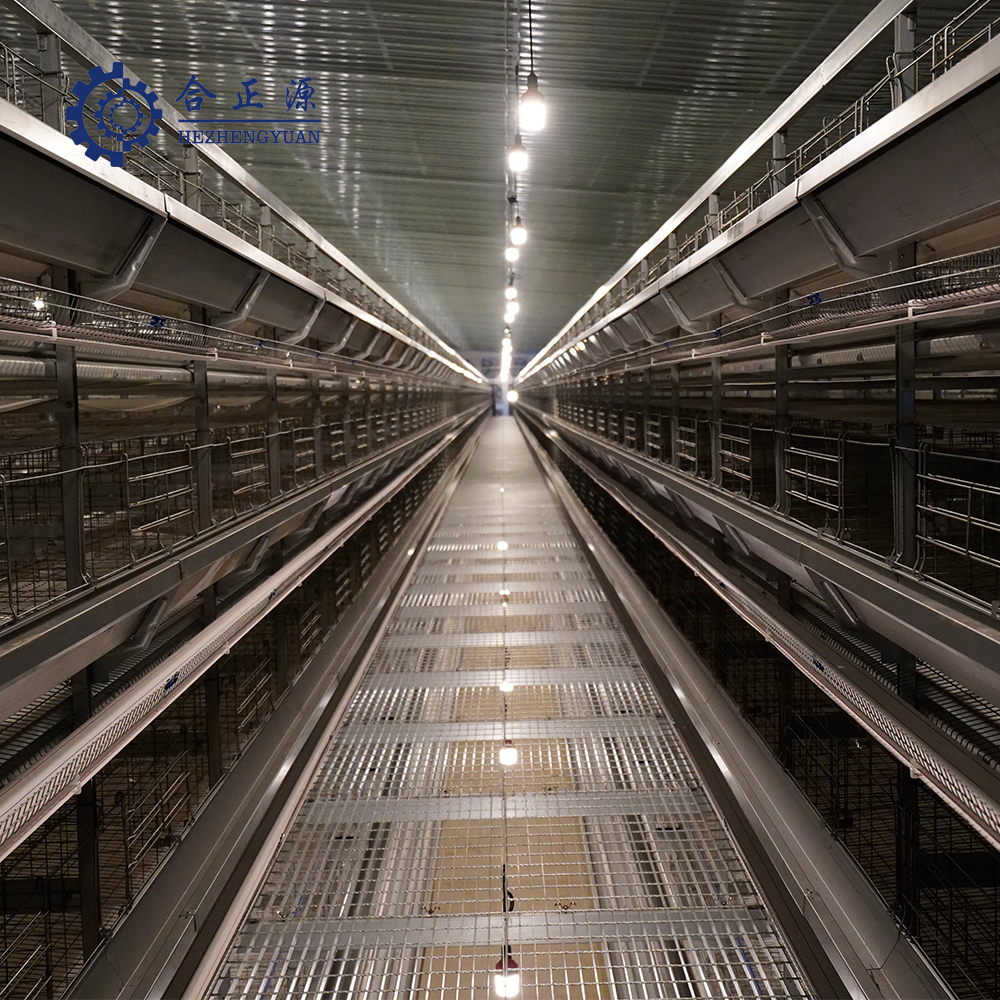
Invisible flicker destroys flock welfare. Cheap LEDs often pulse at rates humans cannot detect. However, avian eyes process these rapid flashes clearly. This constant strobe effect causes severe neurological stress in birds. When evaluating a Poultry Lighting system, you must verify the driver quality. High-quality drivers deliver continuous, smooth currents to the diodes. You can test for cheap drivers using a smartphone camera. Point it at the fixture in slow-motion video mode. If banding or pulsing appears, the fixture will stress your birds.
Uniformity dictates floor utilization. Dark spots and shadows create chaotic environments inside the barn. Hens naturally avoid brightly lit hot spots if shadows exist nearby. They crowd into darker corners to lay their eggs. This behavior drastically increases unhygienic floor eggs. You must utilize fixtures offering extremely wide beam angles. A 120-degree to 180-degree beam spread ensures even distribution. Consistent lux levels across the floor prevent localized crowding. It encourages hens to use the designated nesting boxes properly.
Dawn-to-dusk dimming acts as a critical behavioral tool. Nature never switches the sun on or off instantly. Your barn environment should replicate natural sunrise and sunset perfectly. Smooth dimming capabilities from 0% to 100% are absolutely mandatory. A 30-minute artificial sunrise wakes the birds gently. It stimulates morning feeding and drinking behaviors naturally. A gradual 30-minute sunset eases them back into rest periods. This technique eliminates panic-induced piling or suffocation events.
Hardware must survive brutally toxic environments. Barns contain heavy concentrations of corrosive ammonia gas. Daily operations generate massive amounts of abrasive feed dust. Between flocks, sanitation crews use harsh chemical washdowns. Standard commercial fixtures rot away within months under these conditions. True agricultural hardware demands specific engineering standards.
IP67 or IP69K Ratings: Guarantees protection against high-pressure, high-temperature chemical spraying.
Ammonia-Proof Housings: Specialized polymers prevent acidic gases from degrading internal electronics.
Corrosion Resistance: Stainless steel or heavy-duty plastic brackets eliminate rapid rusting issues.
Sealed Cable Joints: Prevents moisture creep from shorting out the entire electrical line.
Wiring realities often hide substantial upgrade costs. Retrofitting an older barn rarely means just swapping bulbs. Evaluating your existing infrastructure requires extreme diligence. Plug-and-play systems offer fast deployment using existing sockets. However, old sockets often harbor deep corrosion or loose connections. Full rewiring guarantees stable voltage drops across long runs. It also supports advanced digital control lines. You must audit your current electrical panels before purchasing any hardware. Ignoring wiring health leads to premature fixture failures.
Controllers must integrate seamlessly into your overarching climate architecture. Isolated fixtures offer very limited utility today. Modern setups link directly to central barn management computers. They adjust intensity automatically based on ambient natural light entering the barn. If clouds roll over, sensors tell the controllers to boost output. This automation ensures the birds experience consistent lux levels all day. It removes human error from the daily management equation. Your chosen hardware must support common analog or digital communication protocols.
Rollout risks threaten your current production cycles. Changing environmental variables too quickly shocks the flock. You cannot install bright new LEDs overnight and expect normal behavior. Birds despise sudden routine changes. A poorly managed transition drops egg production almost instantly. Managing this risk requires a highly disciplined implementation schedule.
Baseline Measurement: Document current lux levels in the barn before removing old fixtures.
Initial Dimming Setup: Install the new hardware but cap the maximum output to match previous lux levels exactly.
Gradual Weekly Increases: Increase the light intensity by merely 10% to 15% every seven days.
Behavioral Monitoring: Watch for signs of aggression or floor eggs during each stepped increase.
Final Optimization: Lock the settings once you reach the target 10 to 30 lux range across the floor.
Buying off-the-shelf LEDs creates a massive liability for your farm. Warehouse lighting manufacturers do not understand avian biology. They prioritize human visual comfort and cheap manufacturing processes. Agricultural environments demand highly specific engineering priorities. A reputable Poultry Lighting system manufacturer employs dedicated agricultural engineers. They design heat sinks that shed dust instead of trapping it. They select diodes tailored specifically to poultry vision spectrums. You must distinguish between repurposed warehouse lights and true agricultural equipment.
Custom photometric design separates premium vendors from basic suppliers. You should never guess how many fixtures your barn needs. A qualified vendor will request your exact barn dimensions and cage layouts. They use specialized software to generate a 3D light map. This photometric plan visualizes exactly where shadows might fall. It guarantees perfect uniformity before you spend a single dollar. If a vendor refuses to provide a custom light map, walk away immediately. They are guessing with your flock's biological performance.
Certifications validate the manufacturer's safety claims. Barn environments pose extreme electrical fire risks due to dust accumulation. Always demand fixtures bearing strict UL, CE, or equivalent regional safety marks. Furthermore, look for verified animal welfare compliance. Some regions require equipment to meet specific RSPCA or local agricultural standards. Documented compliance protects your farm from future regulatory audits. It also proves the hardware meets baseline agricultural safety expectations.
Warranty documents often hide terrible exclusions. Standard warranties immediately void if the fixture encounters ammonia or high-pressure water. This renders them entirely useless for poultry applications. You must read the fine print closely. An agricultural warranty explicitly covers degradation from harsh barn gases. It specifically permits chemical washdowns between flock cycles. Request case studies or references from farms operating in similar climates. Proven field longevity matters far more than theoretical laboratory lifespans.
Upgrading a poultry lighting system is a strategic investment in flock biology and operational efficiency, not just a maintenance expense. Proper environmental control dictates everything from daily feed conversion to peak laying duration. Relying on outdated or inappropriate fixtures limits your facility's true genetic potential. Modernized infrastructure eliminates unseen stressors and stabilizes your daily output.
Farm managers should take immediate, actionable steps to secure these benefits. Start by conducting a comprehensive facility audit to identify dark spots and flickering units. Then, engage with specialized agricultural vendors. Always request custom photometric models from shortlisted manufacturers to accurately project your ROI. Finally, plan your deployment carefully to avoid stressing your current flock during the transition.
A: Typically 10 to 30 lux at the bird level, depending on the stage of lay and facility design, but uniformity is as important as peak intensity. Extreme brightness wastes energy, while deep shadows encourage floor eggs. Maintaining even distribution ensures predictable flock behavior.
A: No. Standard LEDs lack ammonia resistance, waterproof IP ratings for washdowns, and the specific driver technology to prevent bird-visible flicker. Using standard fixtures guarantees rapid hardware failure and severely stresses the birds, leading to lower yields.
A: Usually 14–16 hours of continuous light. Going beyond 17 hours does not improve production and can increase stress and mortality. Maintaining this consistent photoperiod acts as the biological trigger keeping the reproductive endocrine system fully active.
A: Typically 12 to 24 months, driven by a combination of reduced electrical costs, lower bulb replacement frequency, and marginal increases in egg yield/quality. The exact timeline depends heavily on local energy rates and your previous hardware's inefficiency.


