
T: +86-16678679070
W: +8617861003581
W: +8617861003581
A: No. 6 Changcheng South Road, Chengyang District, Qingdao, Shandong, China 266108
Views: 0 Author: Site Editor Publish Time: 2026-06-12 Origin: Site


Scaling a poultry operation hits a hard ceiling when manure management relies on manual labor. Such physical tasks quickly create severe bottlenecks in daily production. They rapidly compromise your biosecurity protocols. At a commercial scale exceeding 10,000 birds, outdated semi-automated or manual cleaning is no longer economically viable. You face rising labor costs every single quarter. Stricter environmental regulations demand flawless waste handling constantly. Relying on sheer manpower alone drains your farm budget rapidly.
Transitioning to an Automatic Manure Cleaning System represents a foundational infrastructure decision. It dictates the future scalability of your entire operation. It directly impacts your operational return on investment. It fundamentally secures daily flock health. In this detailed guide, you will learn how automation permanently fixes waste challenges. We will explore system evaluations, health benefits, and installation realities. You will understand why this specific upgrade ensures your long-term farm competitiveness.
Operational ROI: Automation transforms manure management from a high-variable labor cost into a predictable, manageable operational expense.
Flock Health: Continuous manure removal keeps ammonia (NH3) levels strictly below industry danger thresholds, improving Feed Conversion Ratios (FCR) and reducing mortality.
System Selection: Choosing between conveyor belt and scraper systems depends entirely on existing farm infrastructure (cage vs. floor rearing) and manure moisture targets.
Vendor Reliability: Partnering with a vetted Automatic Manure Cleaning System manufacturer ensures proper capacity matching, material durability, and post-installation support.
Farm staff spend countless hours scraping heavy waste manually. This daily, intensive labor drains human resources. It leads to high worker fatigue and frequent injuries. Automation permanently shifts this outdated paradigm. Workers transition from exhausting physical labor to routine system monitoring. You can reallocate your farm staff to high-value tasks immediately. They can focus on critical flock monitoring and egg collection. They spend more time analyzing feed consumption data. This strategic reallocation improves overall workforce productivity. You essentially eliminate the hidden costs of physical fatigue. Tired workers make mistakes, and mistakes compromise farm biosecurity.
Seasonal manual labor carries escalating and unpredictable costs. Employee turnover adds constant recruitment and training expenses. You never know when workers might quit mid-season. An automated setup stabilizes these volatile expenses. Long-term energy and maintenance costs remain highly predictable. Motors run for short durations, minimizing electricity bills. You eliminate the constant scramble to hire emergency seasonal cleaners. The initial capital expenditure payback period typically lands between 12 and 24 months. This timeline depends heavily on your specific farm scale and local wage rates. Over a five-year horizon, the financial savings become undeniably substantial.
Timely, automated removal yields significantly drier manure. Drier waste means higher quality organic material. You can process this directly into premium organic fertilizer. It ferments faster and produces less offensive odor. Crop farmers eagerly purchase dry poultry manure for soil enrichment. This creates a highly lucrative secondary revenue stream. You essentially turn a daily disposal problem into a profitable farm asset. It diversifies your farm income seamlessly.
Manure ferments exceptionally fast inside closed, warm sheds. This rapid decomposition releases highly toxic ammonia (NH3) gas. Automated removal prevents this dangerous fermentation cycle completely. You must keep ambient ammonia levels strictly below 25 ppm at all times. Industry standards dictate swift intervention once levels cross this line. Exceeding this threshold causes severe respiratory lesions in poultry. It damages their delicate tracheal linings permanently. Chronic respiratory stress leads to devastating secondary bacterial infections. Prompt removal ensures fresh, breathable air circulates around the birds.
Poor air quality aggressively suppresses bird appetite. High environmental stress levels divert essential metabolic energy from growth. Birds spend energy trying to cool down or breathe. Improved air quality directly boosts their daily appetite. Calm, oxygenated birds digest their feed far more efficiently. They gain weight faster and produce eggs consistently. This biological improvement ultimately leads to a much more profitable Feed Conversion Ratio (FCR). You get more measurable output per kilogram of feed consumed.
Dangerous pests thrive in accumulated, moist waste. Flies and darkling beetles lay millions of eggs in damp manure. Promptly removing this waste eliminates their primary breeding grounds entirely. It breaks the reproductive cycle of common farm insects. It drastically reduces bacterial pathogens like Salmonella and E. coli. These bacteria use manure as a primary transmission vector. Strict biosecurity compliance becomes much easier to maintain daily. You protect the entire flock from devastating, fast-spreading disease outbreaks.
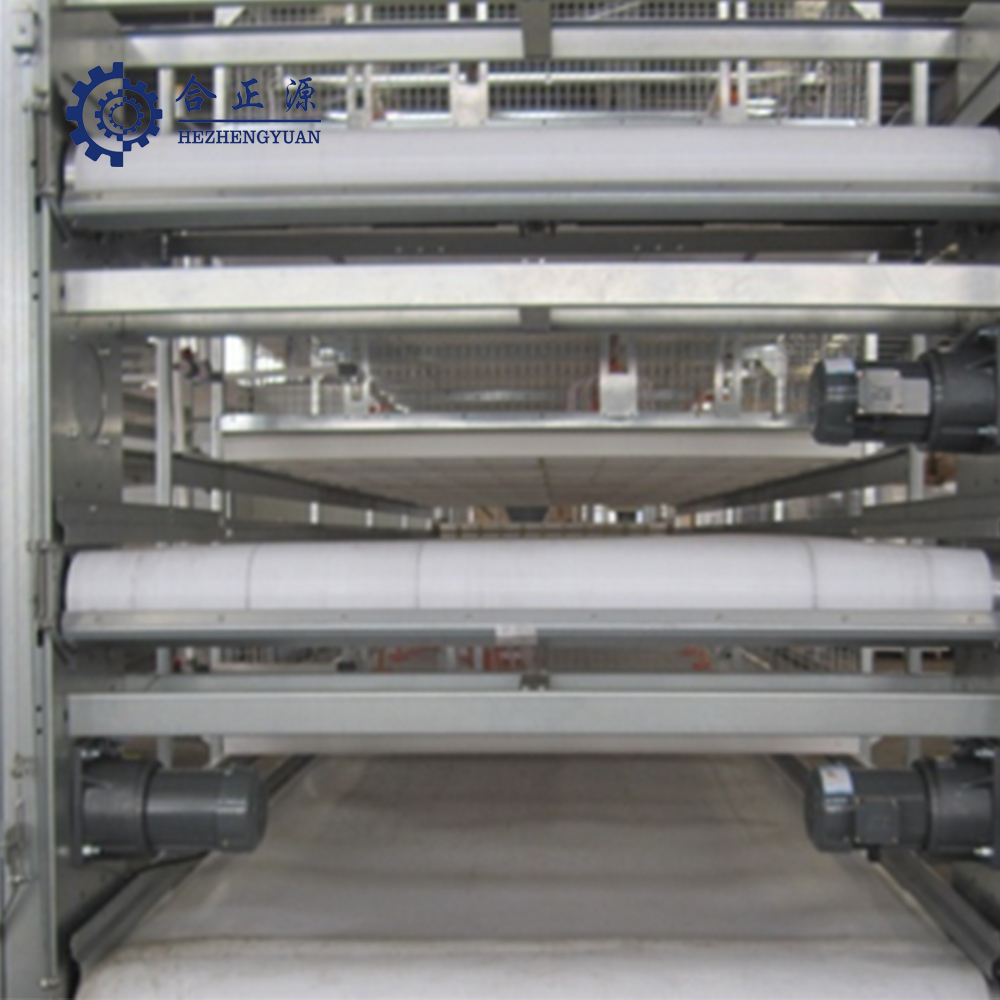
Choosing the correct setup dictates your daily operational efficiency. You must match the mechanism to your shed design.
Installers mount Polypropylene (PP) or PVC belts directly under the bird cages. These belts span the entire length of the cage rows. They catch fresh waste immediately as it falls. A drive motor pulls the loaded belt toward the shed exit. High efficiency defines this modern setup. It keeps the collected manure remarkably dry. Drier waste significantly reduces ambient farm odor. The operation runs quietly, preventing unnecessary flock stress. Furthermore, the PP material inherently resists bacterial adhesion. The initial capital cost runs noticeably higher than alternatives. You also need precise, ongoing belt tensioning. Proper tension prevents tracking issues and expensive premature edge wear.
Motor-driven heavy-duty steel blades move slowly along concrete channels. These channels sit recessed into the shed floor. Heavy cables drag the blades back and forth. They push accumulated waste directly outside the building. These mechanisms offer a highly cost-effective solution. They work perfectly for retrofitting older, floor-based sheds. The solid steel construction remains highly durable for heavy, wet loads. However, the removed manure inevitably retains a higher moisture content. The heavy scraping action can increase friction wear on concrete floors. Concrete channels must feature a precise slope. Even a one-degree miscalculation allows stagnant liquid pools to form.
Use this brief checklist to guide your purchasing decision based on farm conditions.
Assess your current cage configuration or floor layout first.
Measure the total shed length accurately to determine motor needs.
Evaluate local climate humidity levels for drying potential.
Determine your target manure moisture content for resale.
Feature | Conveyor Belt System | Scraper / Blade System |
|---|---|---|
Best Application | Multi-tier cage rearing setups | Floor rearing and deep litter houses |
Manure Moisture | Very low (dries quickly on belts) | Moderate to high (collects wet) |
Noise Levels | Extremely quiet operation | Moderate mechanical scraping noise |
Initial Investment | Higher upfront equipment cost | Lower cost, budget-friendly |
Odor Control | Excellent due to immediate removal | Good, but wet channels require washing |
Poultry manure is highly corrosive and heavily acidic. Standard unprotected metals rust rapidly in this harsh environment. Hot-dip galvanized steel is an absolute necessity for all structural frames. You must ensure brackets and rollers use this treatment. Hot-dip galvanizing applies a thick zinc coating over steel. This layer sacrifices itself to protect the underlying metal from uric acid. It resists chemical degradation highly effectively. It extends the equipment lifecycle significantly. Avoid painted steel options, as acidic waste strips paint within months.
Selecting the appropriate motor capacity prevents disastrous electrical burnouts. You must match the kW rating exactly to the length of your shed. An underpowered motor constantly struggles under heavy daily loads. It generates excessive heat and eventually fails prematurely. An optimally rated motor ensures smooth, reliable daily operation. Consider using variable frequency drives for smoother startup sequences. This reduces mechanical shock on belts and chains, extending their lifespan.
Scraper mechanisms rely heavily on sturdy traction cords. Standard steel wire handles basic loads but rusts relatively quickly. Specialized composite ropes offer superior, long-lasting rust resistance. They maintain incredible tensile strength even in constantly damp environments. Polyethylene-based ropes resist stretching better than cheap alternatives. You should evaluate these options based on your specific load requirements. Upgrading the cable material prevents sudden, mid-operation snapping.
Installing automated setups in existing sheds presents unique structural hurdles. Scrapers often require precise concrete floor leveling. Uneven floors cause steel blades to miss waste entirely. Belt setups demand exact cage tier alignment. Misaligned cages force belts off their designated tracking rollers. You must conduct a thorough structural assessment first. Do not skip the initial engineering survey before ordering equipment. Precise measurements save thousands of dollars during installation.
Avoid any "maintenance-free" marketing claims completely. Mechanical setups always require dedicated weekly upkeep. Ignore maintenance, and system failures happen fast. Outline a realistic inspection schedule for your farm crew.
Weekly inspections: Check belt tension and correct tracking alignment. Clear hardened debris from scraper blades manually. Inspect motor operation for unusual grinding noises.
Monthly servicing: Lubricate gearboxes and moving mechanical joints thoroughly. You must flush and replace gearbox lubricant periodically to prevent internal seizing. Tighten any loose bolts on galvanized structural frames. Calibrate automated control panels for accurate timing.
An Automatic Manure Cleaning System relies completely on grid power. Unplanned power outages pose a severe operational risk. You must integrate the cleaning motors with the farm’s backup generator load. This prevents sudden ammonia spikes during prolonged electrical failures. Calculate the startup amperage accurately to avoid tripping generator breakers. Always test the backup switchover process monthly.
Do not settle for generic, off-the-shelf solutions. A reliable Automatic Manure Cleaning System manufacturer engineers a strict custom fit. They will request exact shed dimensions upfront. They analyze daily bird counts and specific cage styles. This ensures the installed equipment handles peak waste volumes effortlessly. Experienced vendors ask detailed questions about your daily workflow. A trustworthy partner provides a clear layout drawing before taking a deposit. They highlight exactly where motors, tensioners, and control panels will sit.
Hardware inevitably wears out over years of heavy use. Evaluate the vendor's lead times for all consumable parts. You need fast access to replacement PP belts or steel scraper cables. Rapid part replacement prevents prolonged, costly downtime. Lengthy shipping delays cause dangerous ammonia spikes inside the shed. Choose a vendor holding robust local inventory.
Look for highly transparent, written warranty terms. These documents should explicitly cover expensive motors and moving parts. Quality vendors provide virtual or direct on-site commissioning support. They train your farm staff on safe daily operation. Good support protects your capital investment long after the initial installation. Ensure they offer fast troubleshooting assistance for electrical panel issues.
Upgrading your waste management is certainly not a luxury. An Automatic Manure Cleaning System serves as a strictly mandatory infrastructure upgrade. Large-scale farms rely on it for regulatory compliance, flock health, and maximum labor efficiency. By removing daily physical labor, you optimize farm performance entirely.
Take these actionable steps immediately to start the transition:
Audit your current monthly manual cleaning costs to establish a baseline.
Assess your exact shed architecture for structural retrofitting compatibility.
Begin requesting detailed, customized spec sheets from vetted manufacturers.
Plan your backup generator capacity for the new electrical load requirements.
A: Yes, but it requires a careful engineering assessment first. Scrapers often require trenching the existing concrete floor to create perfectly leveled channels. Belt systems depend heavily on your existing cage structural compatibility.
A: With proper daily tensioning and routine maintenance, high-quality PP belts typically last 3 to 5 years. They eventually require replacement due to natural stretching or edge wear.
A: Daily consumption is relatively low. The electric motors (typically 1.5kW to 3kW) only run for 10 to 30 minutes. They operate 1 to 2 times a day, depending on the flock size and system length.


